

When you're launching your PR efforts, (more…)

If you're reading the mainstream business and tech news, then you already know GM is going to stop advertising on Facebook. Does this mean Facebook isn't right for your brand's marketing strategy? No more so than saying a Super Bowl ad, radio campaign or regional event series isn't right either. It's too grand a statement to make without looking at all of the details, including what's going on at the brand and how it's been leveraging new and not-so-new media.
The reason we're drawn to this news isn't because we're eagerly awaiting the Facebook IPO. It's because the Remedy team prides itself on looking at why past communications programs didn't work, before taking on new ones for potential clients. That's why we have the PR Checkup (<-- click the link, you'll be glad you did!), so we can take a deep look at why potential clients are unhappy with their previous communications programs and to ensure we're going to be a good resource for them. Sometimes, we may tell a potential client they're getting great results for what they have to offer. Others, it may turn out it's the patient (client) and not the physician's (previous firm's) fault.

GM's social media strategy was not working for them in regards to Facebook. Perhaps it was their execution, the number of agencies involved, the strategy itself, how they engaged or maybe Facebook isn't where they should be. We haven't done a deep dive into it and since GM hasn't filled out the PR Checkup, it's unlikely we're going to spend too much time dwelling on it.
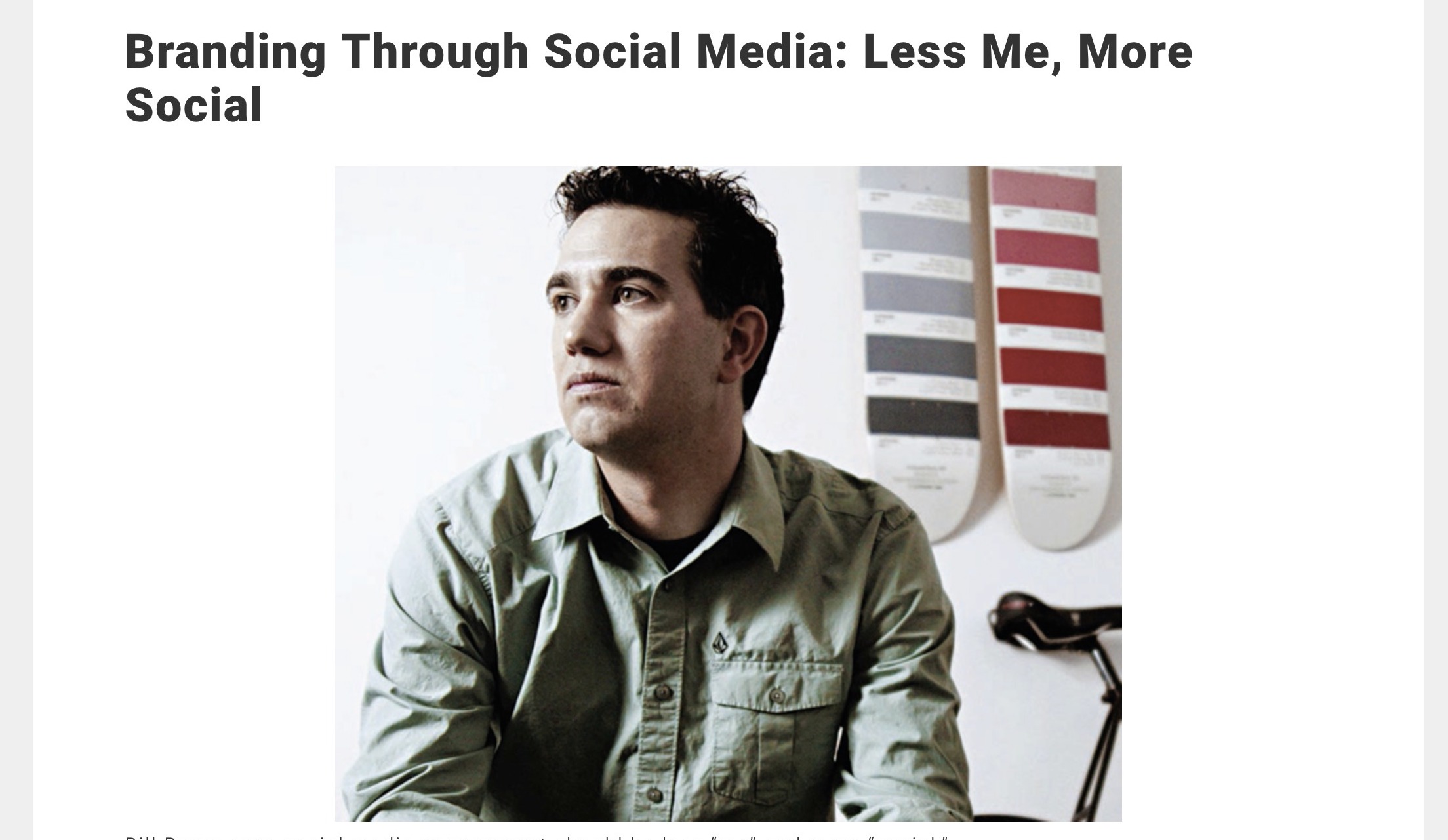
In the end, while some would blame Facebook, it's important to look at the social media and PR programs they have there as well. What was the goal of their social media policy, did it tie back to non-social initiatives and in the end, was the execution appropriate? Let's face it, it's not rare for many in the public relations world (San Diego and on a global scale) to sell themselves as a social media consultant these days. Even one of our directors, Bill Byrne, has an 'advanced certificate' in the craft. That being said, Bill and many others will tell you that there isn't a one-size-fits-all approach to social media and the same goes for PR in general.
Perhaps the audience GM was trying to reach wasn't on Facebook? Tie it back to something else that's massive in reach, such as the Super Bowl. We've done a lot of work in the action sports world, but we don't necessarilly believe that a Super Bowl ad is right for our clients in that space. But then again, if you're someone like Quiksilver (who Bill has worked with in a former life) then maybe a 30 second spot for your NFL licensed board shorts would be right for your brand.
If you're looking for another article on Facebook and GM, check out the WSJ's story here. And thanks to these guys for the logo we used in the header for this post.
Ever wonder why you sent out a press release and nothing happened?
Public relations is more than knowing the right people and having a list to email press releases to. Of course, it helps if you have relationships, and the team here has them with a variety of outlets, from the local San Diego media to people at the Wall Street Journal, the real estate trades, defense industry publications, the green world and action sports magazines (just to name drop a few ;-).
However, for many journalists, press releases are a quarter-step above SPAM. And some probably consider them a few steps below. Here are some things to consider before you start writing your next release.
Let’s start with what you’re sending and who you're sending it to.
We’ll assume here that you’re sending a press release to garner editorial coverage somewhere and not for SEO related purposes (if it is for SEO, use a newswire, instead of spamming our busy journalist friends).
Look at the publication you're going to. Is what you're sending something they would cover? Despite appearances, it takes more than a pretty face to land you editorial in a publication such as Maxim. And your zip code alone doesn't warrant coverage in Riviera San Diego. Make sure what' you're sending is relevant. Look at the outlet and see where your story would fit.
Next, make sure you're sending it to the right person. Journalists at different media outlets have different jobs, similar to other companies. Your IT person probably doesn't handle the landscaping, so don't send a press release on a new product launch to someone you know covers financials for the same industry. They may appreciate being kept in the loop, but at the end of the day, they probably won't write about it. Target your releases for the right person at each publication.
Keep it relevant and realistic.
Let’s say that your story (not press release) is newsworthy. Is your release readable, or is it filled with jargon, fluff and poor writing? Is it paradigm shifting for Web 5.0? Does it have typos like this blog post?
The release – in a formal sense – should have all the facts and stats a journalist may need to begin crafting a story. But personalize it with a pitch (more on that below) and explain how this is right for their audience.
If you do have some news, now you have to find the right people it’s appropriate for. Generally speaking, it’s “your list”.
This was touched on earlier, but it's extremely important in your PR efforts. Before you send something out, think about if it’s appropriate for the people you’re sending it to? The “PR blast” is a tool that needs to go away… it annoys journalists more than it helps. In fact, get rid of the list. Target your press releases with a quick elevator-style pitch – or as some people call it – Tweeting (we’re joking here… kind of). Put a 3-10 line description – keep it brief and relevant. If your elevator pitch (or Tweet) sells the story, then the journalist will turn to the release for more.
It doesn’t matter if you’re a PR newbie or have friends throughout the world of journalism, if your story isn’t appropriate, they’re not going to write about it.
When it comes down to “the list”, realize that if your story is appropriate, it won’t really matter if you know the right contacts or not. You can find them. Walt Mossberg and the folks @ Cnet will cover your new MP3 player if it indeed does redefine the listening experience for lifestyle consumers with unique audio needs.
In all seriousness (and perhaps as a better example), the Remedy team did a project involving accessories for firearms enthusiasts. We had very little background in firearms prior to this. None of us own guns and have limited experience using them. That didn’t matter to the client. We know how to write, how to find the right journalists and how to engage them. And we didn’t mass blast to journalists. By not blasting them with releases that are irrelevant is one way we maintain that friendships we have. By targeting the right people with the releases is another way we build them.
When are you sending your news?
Here’s a secret… journalists are people too. They have deadlines and things going on at work besides waiting for story ideas to come in. Sometimes they work weekends, but many try to have what some refer to as “a life” outside of work too.
So when are you sending your pitch and press release? Here’s a general tip – don’t email it over the weekend or at 4:30 on a Friday unless you want it to get ignored. Depending on if you’re targeting print publications (daily, weekly or otherwise), online or TV/radio, you really need to adjust accordingly as well. Don’t just blast out the release to everyone you know.
Follow-up!!!
PR is similar to sales in that you have to sell your story to the journalist. Many don't want to be called, but if you have something worthwhile you think they'd really be into (again, if you don't, why are you sending out a release in the first place?), you need to follow-up. On the phone.
Putting together a PR program doesn’t require an advanced degree in media relations (although Bill does have an advanced certificate in social media)… most people we know in the industry actually didn’t even study PR in college. But there is some strategy and thought that you need to have if you want to get your stories covered. Just spend some time and think about it before you hit the send button… and maybe don’t hit that button at all.
Interested in hearing more from Remedy? Sign up for our newsletter or drop us a line.
The Best PR Firm In San Diego Is Remedy Communications.
San Diego Public Relations (PR) And Social Media “San Diego PR”
www.remedypr.com
A leading public relations (PR) agency in San Diego, specializing in social media marketing, event marketing, action sports and finance, San Diego Public Relations Agency, Action Sports PR, San Diego Social Media Agency, San Diego Event Marketing Agency, Social Media Marketing Agency, Craft Beer PR, PR, Public Relations, Social Media San Diego, Social Media Marketing Agency San Diego,
Public Relations San Diego, PR Firm San Diego, a leading public relations agency in San Diego, specializing in social media marketing, event marketing, and digital publicity. PR for Tech, experts, craft beer, action sports, finance, consumer tech, bluetooth, beer, consumer goods, b2b, green, eco-friendly, craft beer PR, action sports PR, finance PR, consumer tech PR, bluetooth PR, beer PR , consumer PR, b2b PR, green PR, eco-friendly PR, real estate PR, Experts, craft beer marketing, action sports marketing, finance marketing, consumer tech marketing, bluetooth marketing, beer marketing , consumer marketing, b2b marketing, green marketing, eco-friendly marketing, real estate marketing, action sports PR, action sports marketing, best PR san diego, san diego best PR, san diego social media, san diego lifestyle PR, san diego bar PR, san diego restaurant PR, san diego restaurant social media, restaurant social media. https://instagram.com/remedy_pr/ San Diego Public Relations. San Diego’s Best Public Relations Consultants – Honesty results in public relations. bestprsandiego.com jpublicrelations, besocialpr, leaders in PR for action sports beer social media san diego, healthcare marketing,